1990
CERN httpd, the day the world's first website went live
"A document on your computer is on my screen! This feels like magic, doesn't it?"
One small program Tim Berners-Lee wrote in a Swiss research lab became the ancestor of Naver, Google, and Facebook.
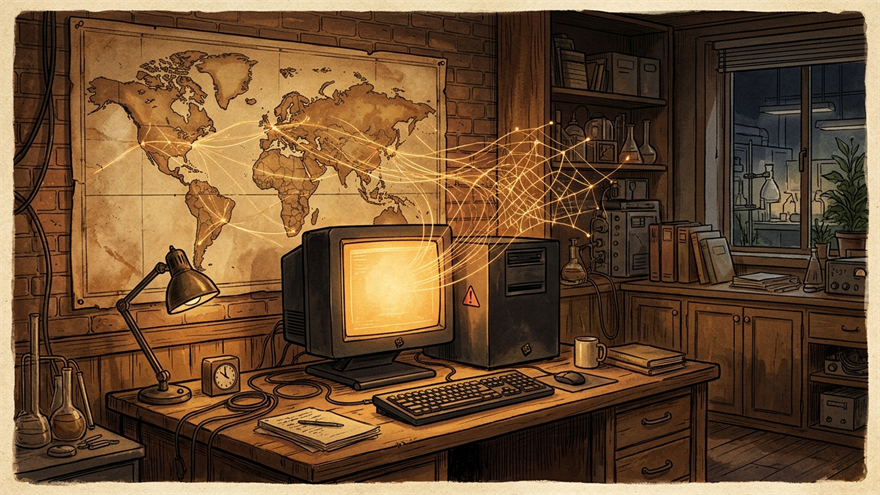
In 1990, the web as we know it didn't exist yet. The internet was there, but it was for sending email between scholars and transferring files.
The very idea that you could open and view a document sitting on someone else's computer right on your screen wasn't a thing.
To share information, you emailed a file, downloaded it with a file transfer program (FTP), or printed it on paper and mailed it in an envelope.
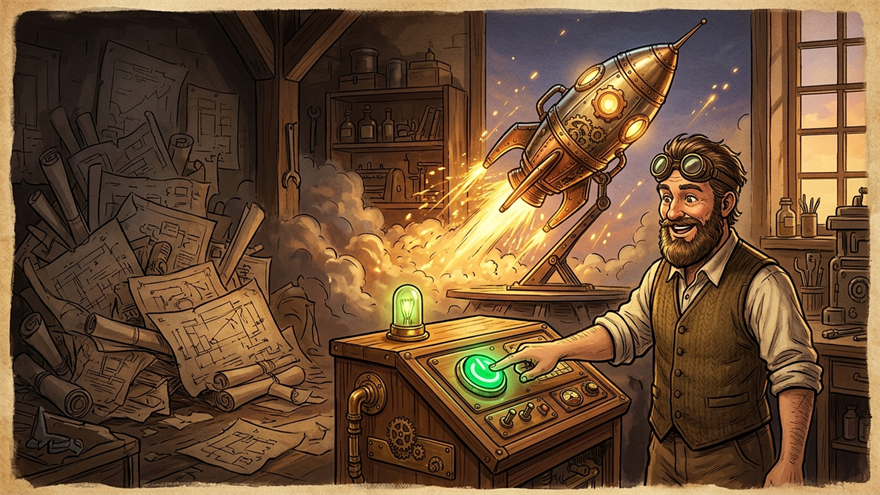
A researcher at CERN named Tim Berners-Lee had a strange idea.
"What if my computer just stayed running, and any time someone said 'show me that page,' a small program on it sent the contents back? Then anyone in the world could see my notes, instantly."
He wrote that small program himself and called it CERN httpd. It was the world's first web server.
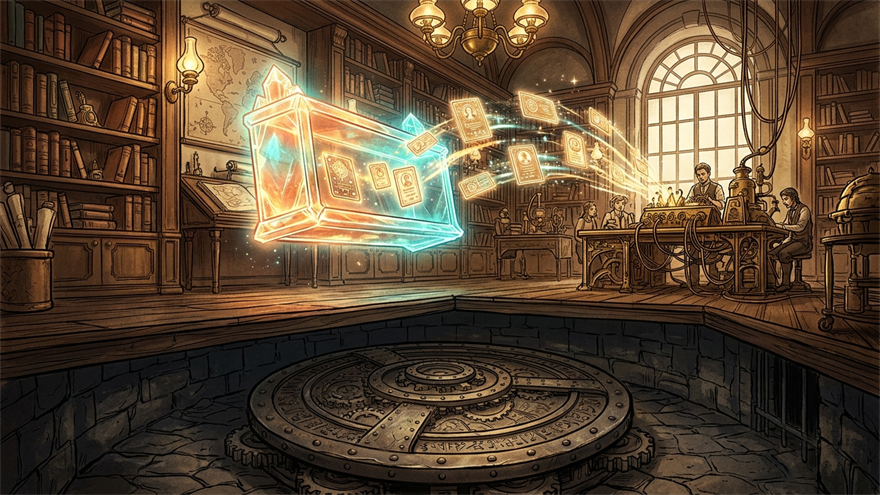
The mechanism was simple: somebody typed an http://... address into a browser, CERN httpd received the request, found the matching web document file (HTML) on disk, and sent it back.
The first colleague to fetch a page from another machine exclaimed:
"I just clicked a link and a document on your computer is on my screen! This feels like magic!"
That tiny program is the prototype of every website on Earth.
Huge sites today like Naver, Google, and Facebook are still doing the exact job CERN httpd did — receiving a request and returning the right page — just at billions of times the scale. A small program written by one researcher was where it all began.
CERN httpd showed pre-written fixed documents (static documents) and folder listings.
Later web servers built on this same structure to handle much more complex work.
The core role of a web server — receiving a user's request, interpreting it, and returning the right result — was first defined here.