1948
Manchester Baby, the day 17 instructions made a computer a real "computer"
"We didn't move a single cable and the machine just ran a brand new calculation!"
The little experiment that proved you could leave the hardware alone and just change the instructions — the starting point of every laptop and smartphone today.
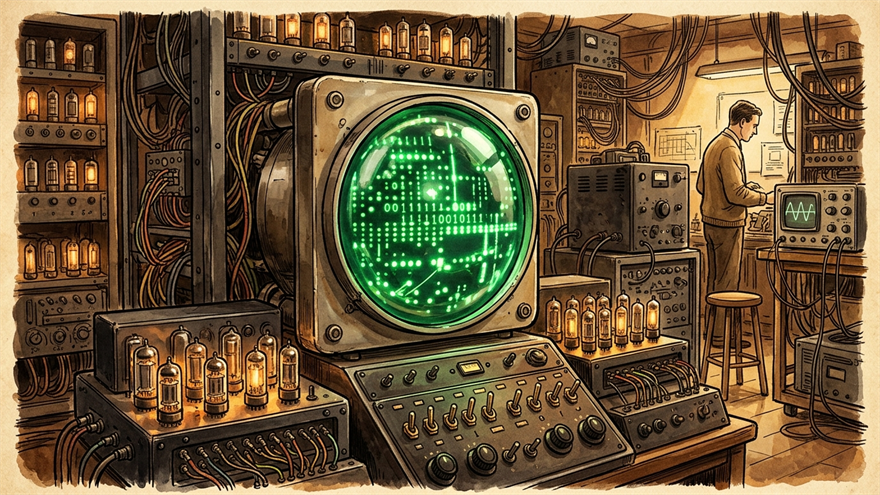
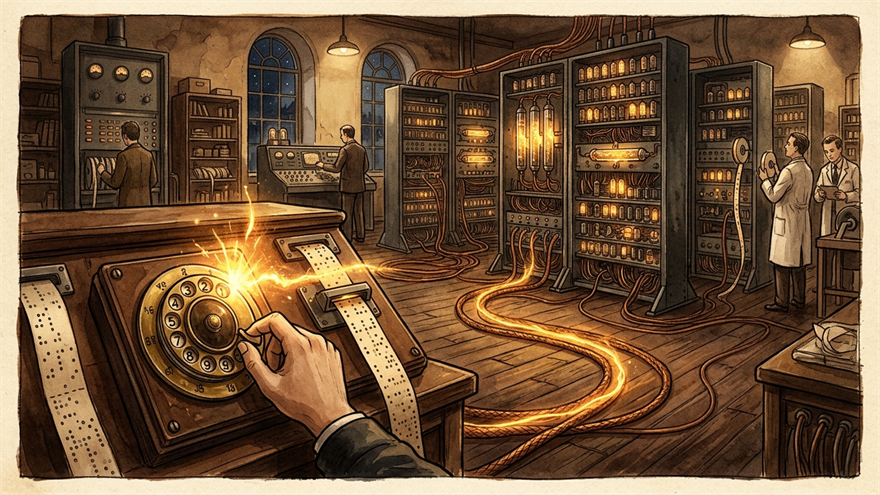
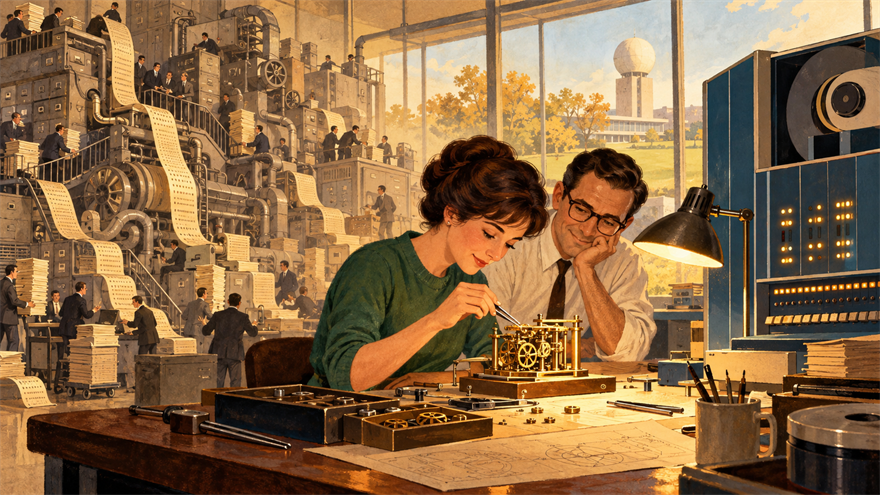
Computers in the late 1940s were very different machines from today's. To run a new calculation, you literally rewired cables and flipped switches by hand for days at a time.
Programming meant standing in front of a giant patch panel and physically moving wires around. When one calculation finished, you started the next one with another multi-day rewiring marathon.
Researchers were hitting a wall:
"It takes a week to do one calculation. The next one is another week. How is anyone supposed to use these machines?"
Researchers at the University of Manchester had a wild idea.
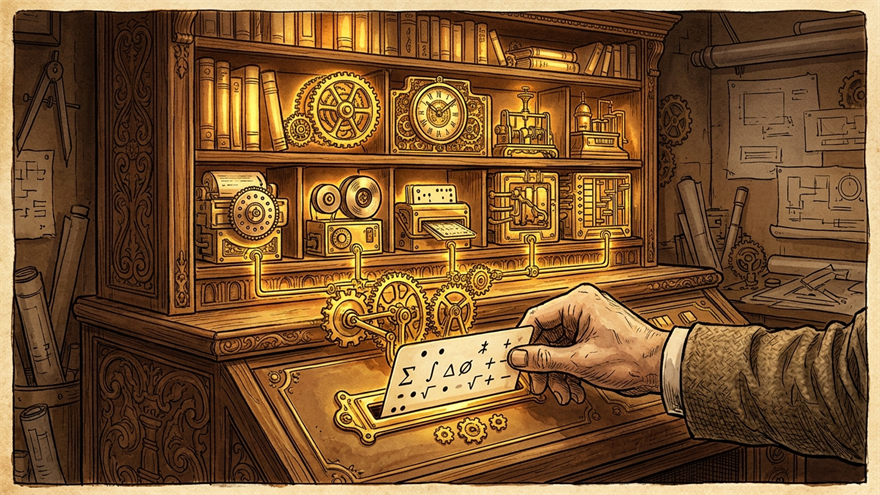
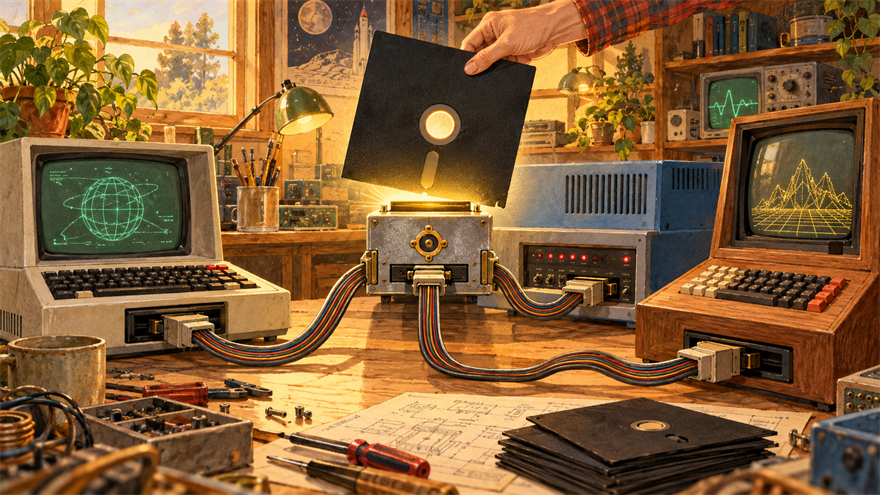
"What if we stored the instructions (the program) in memory, just like data? Then changing what the computer does is as simple as writing different instructions to memory. No more swapping cables."
On June 21, 1948, they demonstrated this for the first time. The machine's nickname was "Baby" (because it was small).
They typed 17 instructions into memory, and the computer read and executed them one by one to produce an answer.
A researcher cheered, "Look! We didn't move a single cable and the machine just ran a brand new calculation. This is what 'computer' actually means — change the instructions, get a different behavior, on the same machine!"
This was the birth of the "stored-program computer".
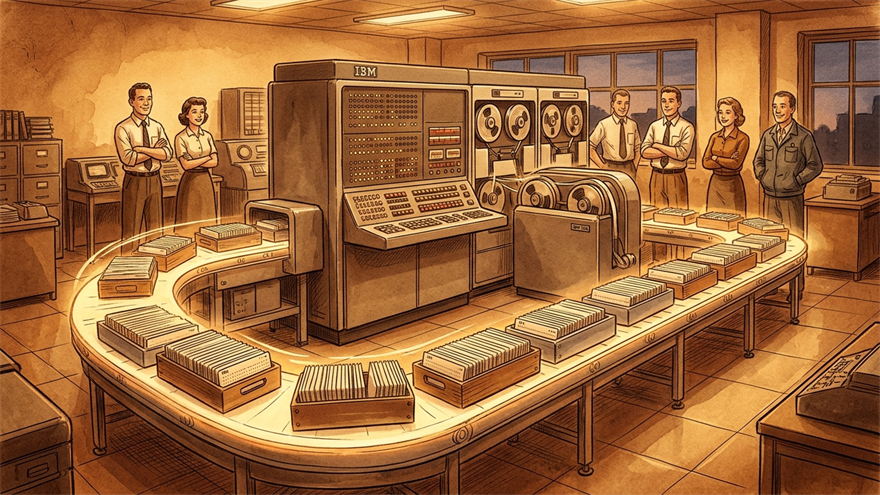
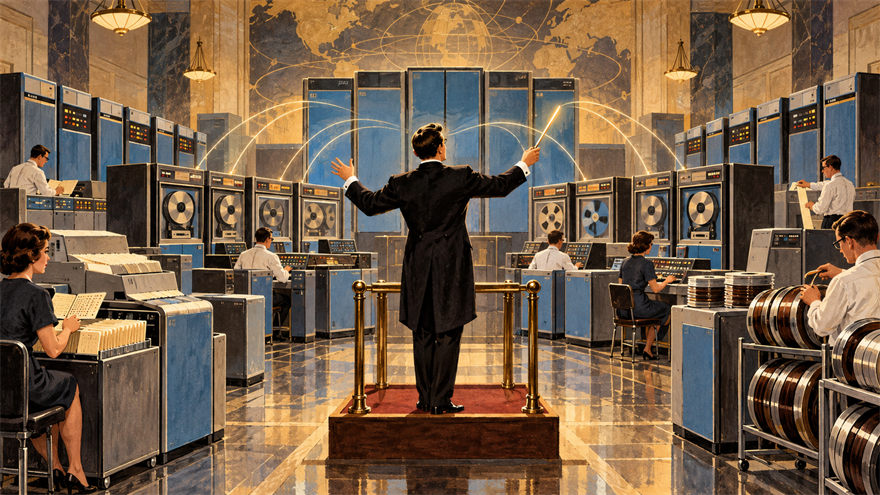
Every modern device — your laptop, your smartphone, your console, the computer in your car — sits on top of this idea: leave the hardware alone and just change the program to make it do different work.
Storing instructions in memory just like data—the stored-program principle—meant a machine could do new work simply by changing the program instead of rewiring cables, becoming the starting point for all modern computers.